


Botanical Dyed Broad L/S Oversized Regular Collar Shirt
Sold Out
Material: 100% COTTON
Model height 182cm / Wearing size 2
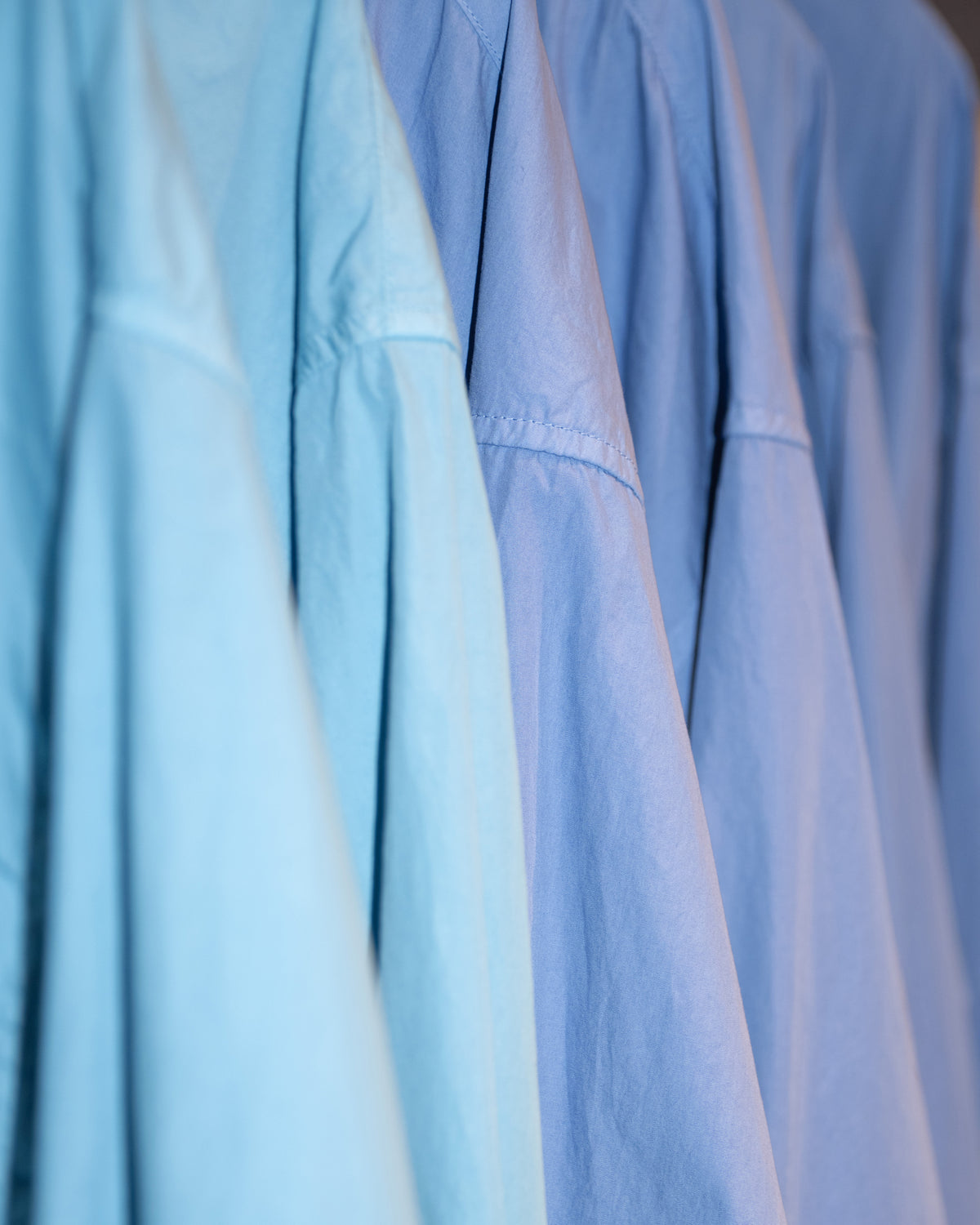
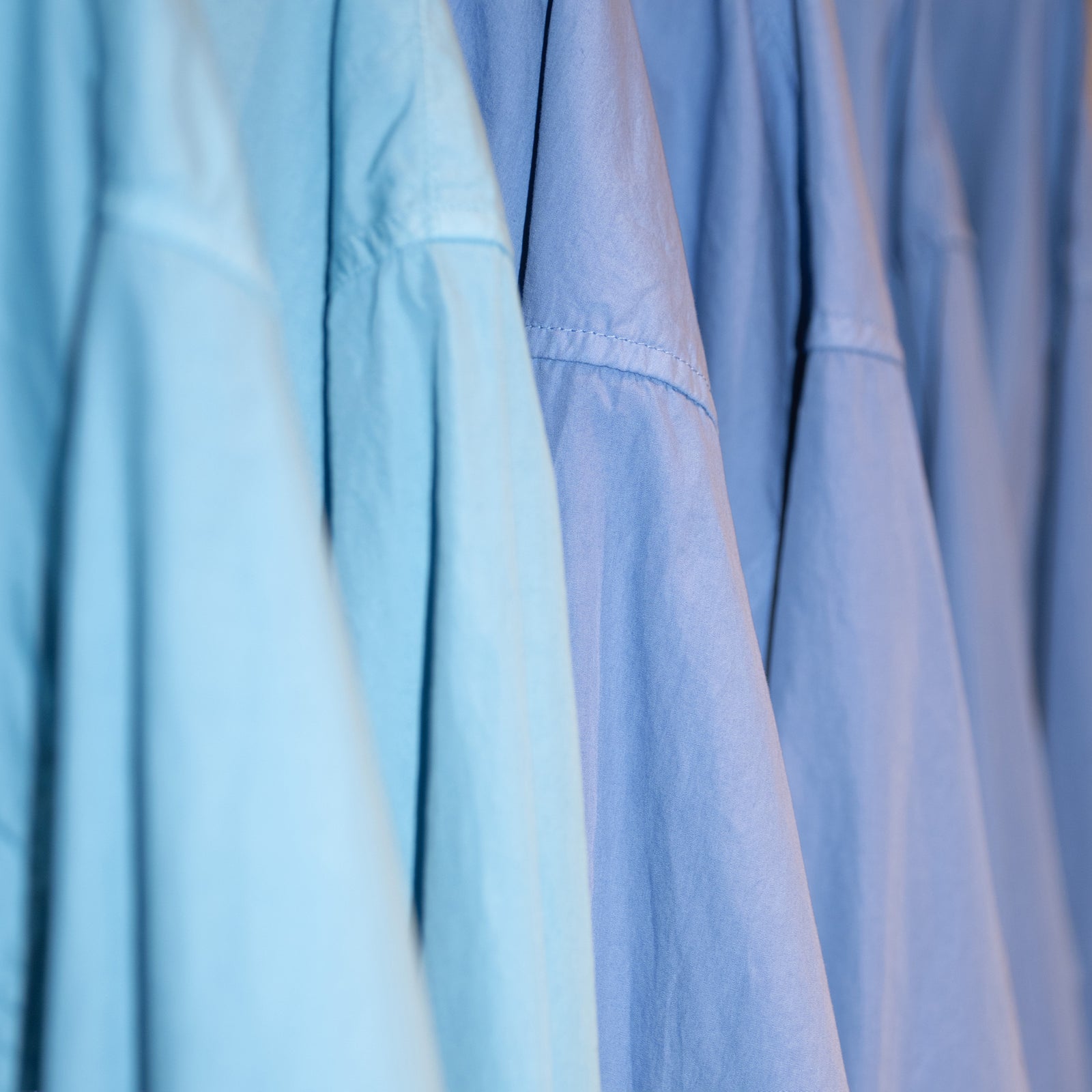
A botanical-dyed shirt that captures the trace of plant material that would otherwise be discarded. The quiet character of the hyacinth orchid is translated into the garment through the dyeing process.
The fabric is a deadstock Supima cotton, valued for its smooth surface, natural sheen, and resistance to pilling. With a classic regular collar, the shirt features a spacious box silhouette and dropped shoulders.
*Due to the nature of the dyeing process, slight variations in color may occur. Each piece carries its own subtle character.
SKU: CM261-50006
<STORE>
Graphpaper conservatory
1-14-11 Tomigaya
Shibuya-ku Tokyo
151-0063 Japan
TEL. 03-6407-0701
TRACEABILITY
Fabric :MITSUMASA TEXTILE Co., Ltd.
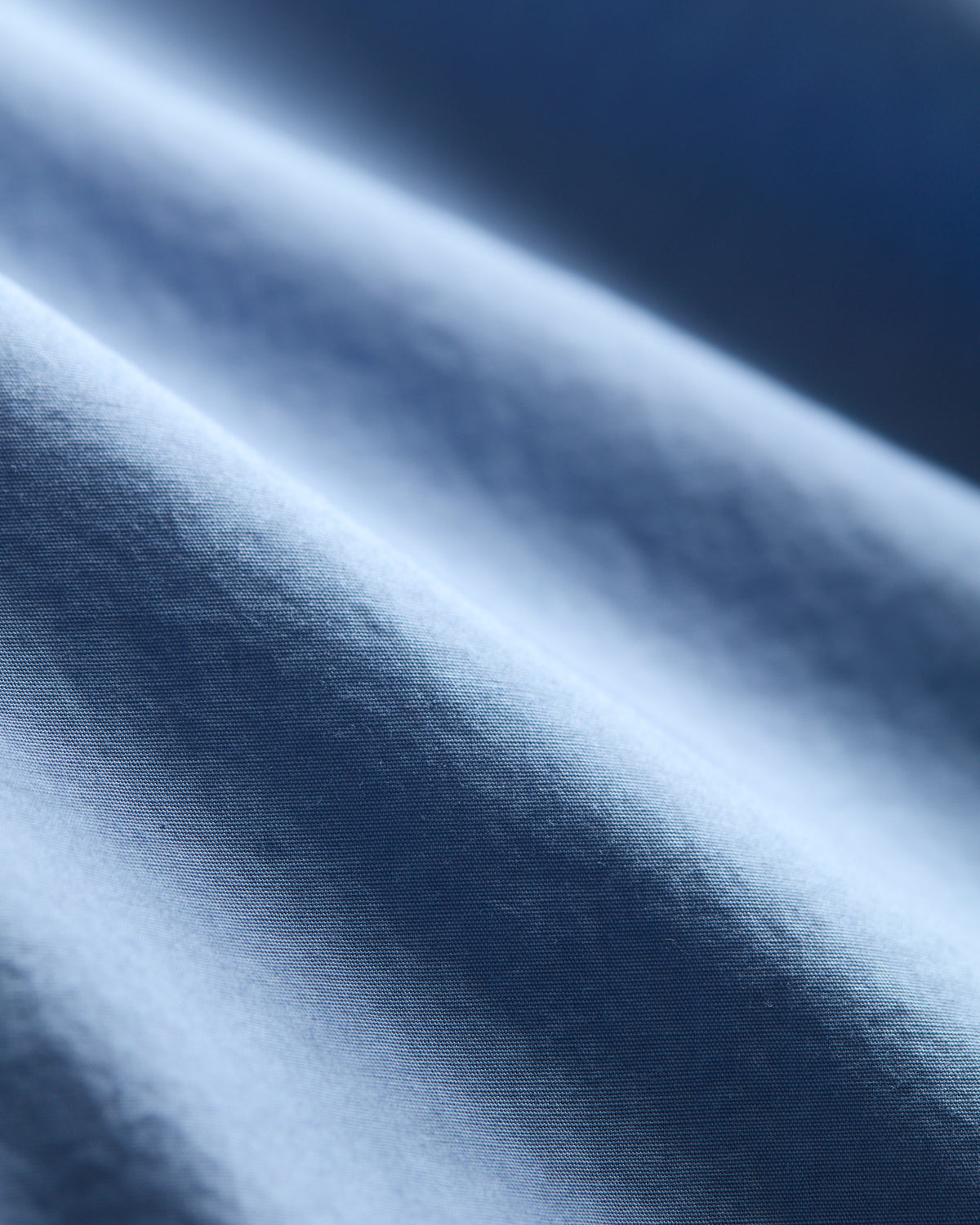
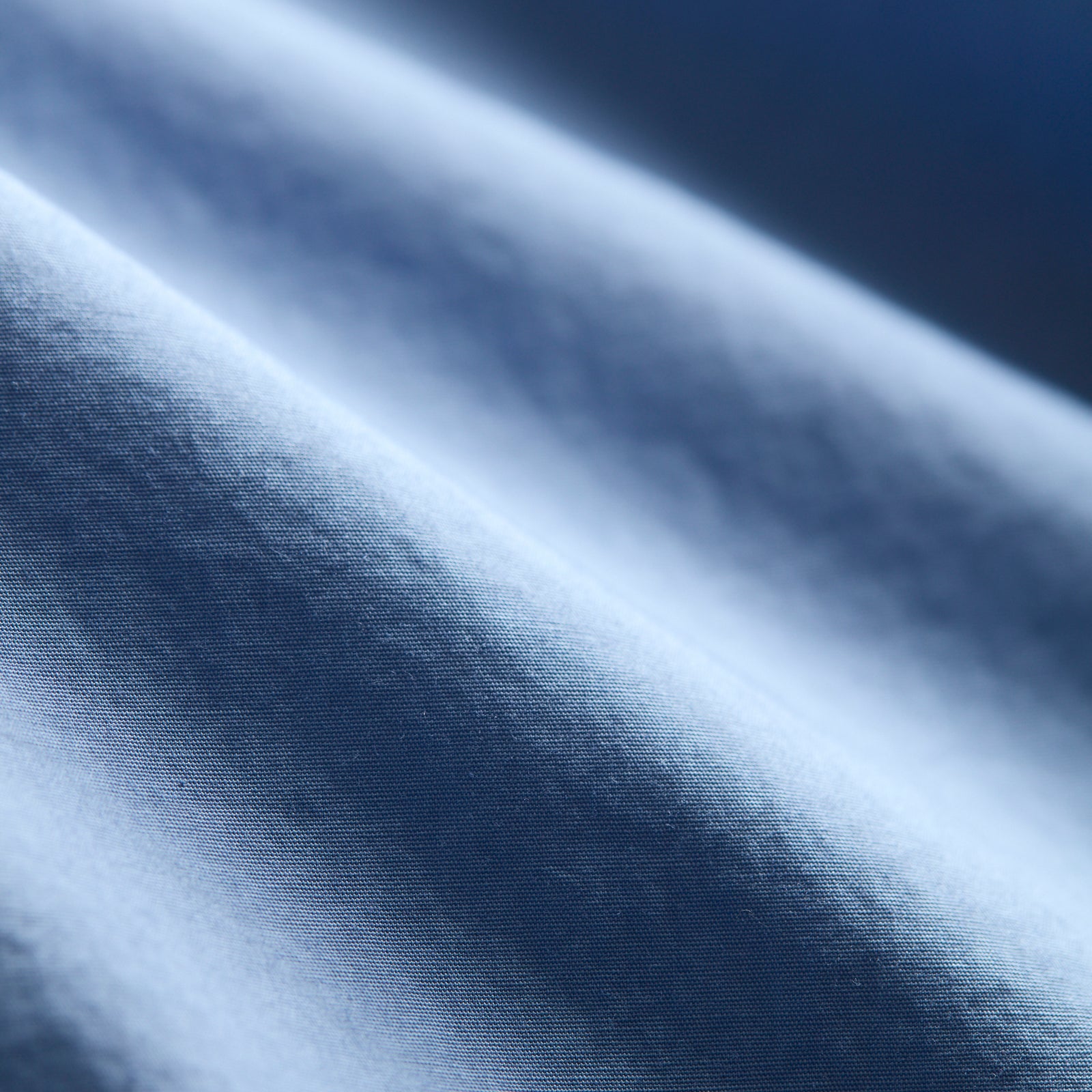
The fabric is a fine broadcloth, typically used for high-end bed linen. It’s made from Supima cotton, chosen for its long fibers and low impurities. The result is a smooth surface with minimal fuzz, a soft hand, and a natural sheen.
Woven at high density using ultra-fine 200 two-ply yarns, the fabric remains lightweight while maintaining structure and body. It moves with the wearer but holds its shape.
Soft from the first touch, and consistently comfortable over time, it’s designed to bring a sense of recuperation into daily use.
Sewing :Uchibo Subaru Sewing
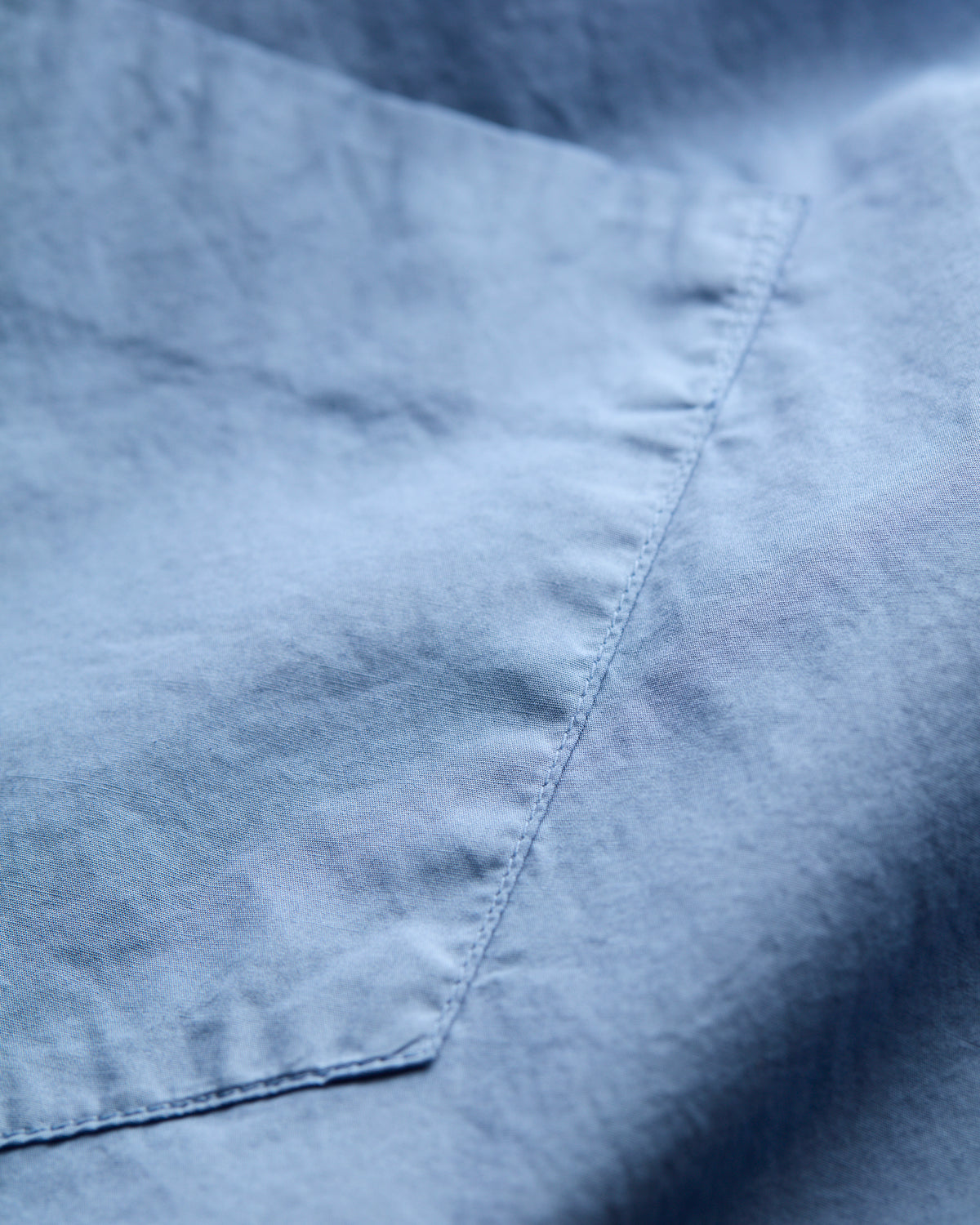
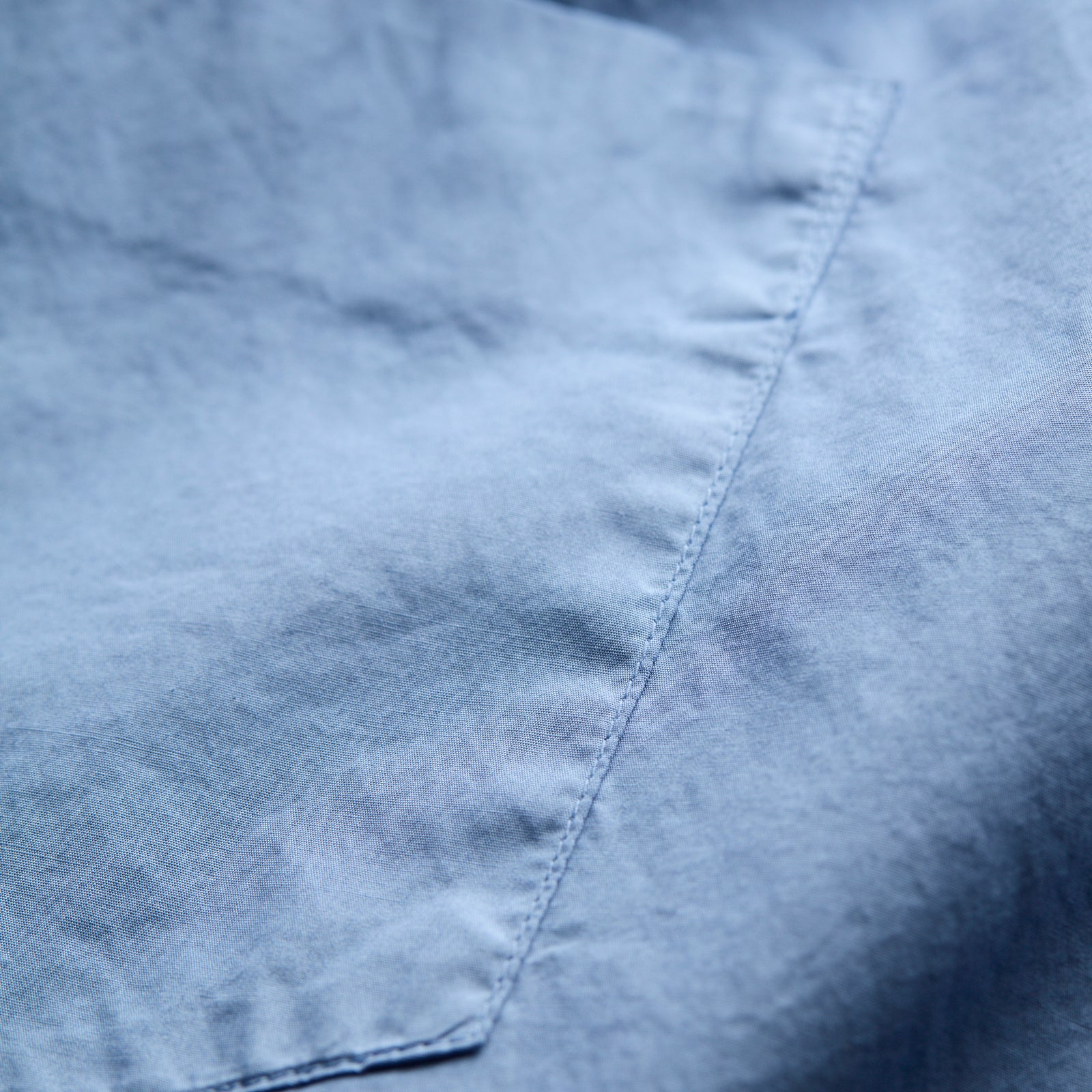
Working with ultra-fine fabrics requires a high level of precision and any slight distortion can affect the final result. Consistent stitch control and stable construction are essential.
The seams are clean and even, preserving the integrity of the fabric while maintaining shape through repeated wear. A subtle but critical process that underpins both comfort and durability.
Parts|Shell Buttons
While still consumed in some regions, the same shells are also shaped into garment details. Today, polyester imitation shell buttons are more common, and natural shell buttons are gradually disappearing.
The shell button industry, centered in Nara, began as off-season work for farmers, and that craft continues to this day with techniques passed down.
A natural material, shaped by a long history of use, this small detail carries a broader lineage of making.

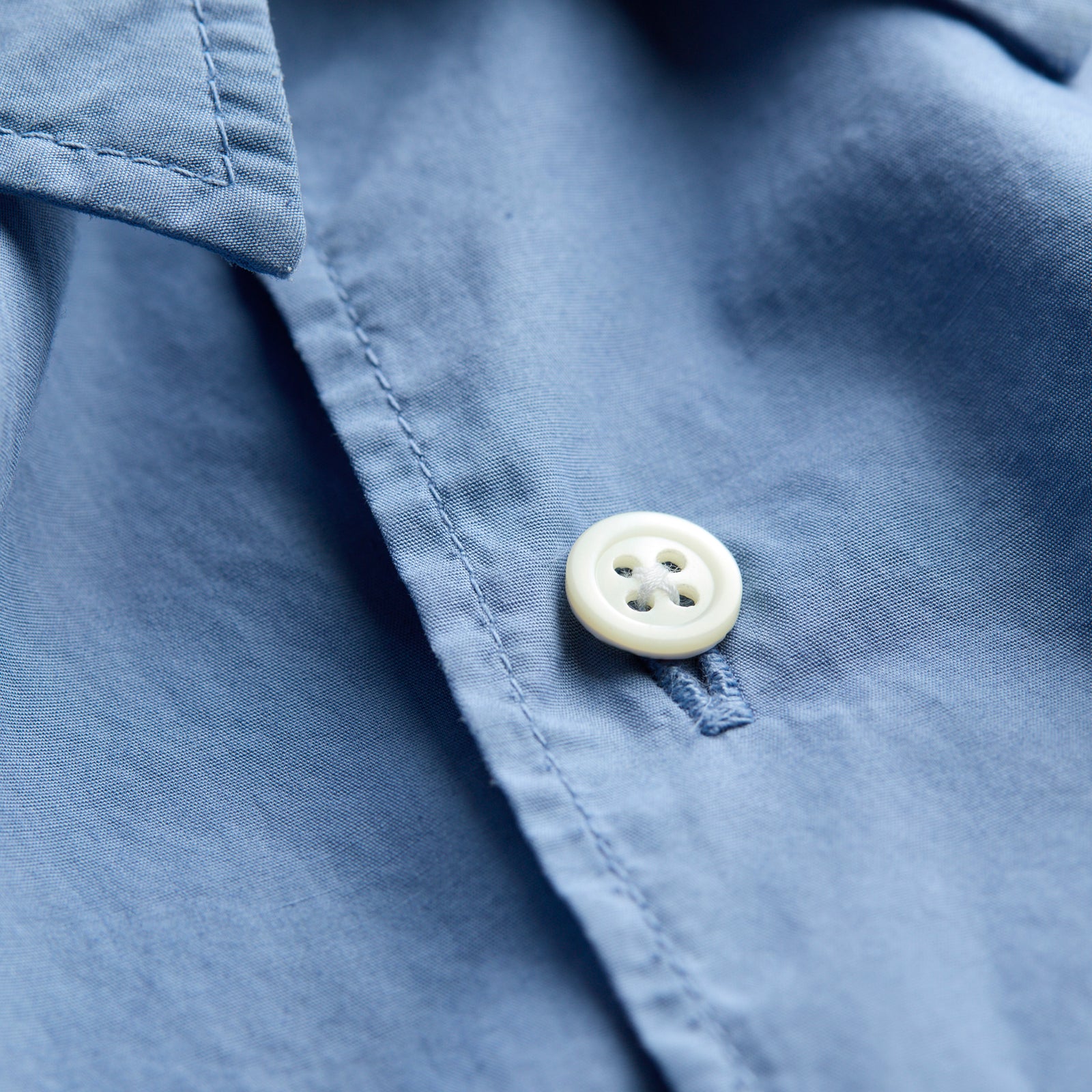
Dyeing :CIHON TEC Co., Ltd.
Rather than simply applying color, the process layers the plant’s natural components into the fabric itself. It’s an approach that prioritizes depth and materiality over surface effect.
The broadcloth base is defined by its exceptionally clean and even surface, allowing the subtle luster and soft light reflection of the orchid-derived pigment to come through clearly. The depth and sheen of the color are more apparent in person than in photographs.
Botanical dyeing is sensitive to even the smallest irregularities in the fabric, making material compatibility critical to the final result. In this case, the broadcloth takes the dye evenly and without resistance, resulting in a consistent, refined finish.
HOW TO WASH
Care Instructions
・Hand wash up to 30°C
・Do not use chlorine or oxygen-based bleach
・Do not tumble dry・Line dry in the shade
・Iron at a maximum temperature of 120°C
・Do not dry cleaning
・Wet-cleaning on a very gentle cycle is permissible
Notes:
Wash separately from other items. Slight shrinkage may occur after washing. Color fading or transfer may occur due to prolonged exposure to sunlight, friction, or moisture. Use a pressing cloth when ironing. With repeated washing, the fabric will develop its own unique texture (fading).This product has been garment-dyed after sewing. Due to the nature of the dyeing process, slight wrinkles, shape variations, and size differences may occur, and each piece may have a slightly different color and texture.